Collection: Soil and compost
For a soil and compost collection, “discretion” usually means storing and selecting materials carefully so they stay clean, effective, odor-free, and suitable for different plants.
Here’s a practical way to organize it:
Keep separate categories
Store soils and composts individually instead of mixing everything together.
Typical collection:
- Potting mix — for indoor/container plants
- Garden soil — for outdoor beds
- Compost — nutrient-rich organic matter
- Coco peat — improves moisture retention
- Perlite/sand — improves drainage
- Leaf mold or vermicompost — organic enrichment
Use proper containers
Good storage options:
- Airtight bins
- Covered buckets
- Stackable tubs
- Fabric grow bags for dry materials
This prevents:
- pests,
- fungus,
- excess moisture,
- and nutrient loss.
Label everything
Include:
- material type,
- purchase or preparation date,
- intended use.
Example:
- “Seed-starting mix”
- “Succulent blend”
- “Kitchen compost – April batch”
Keep compost discreet
For odor and cleanliness:
- Use a lid or covered compost bin
- Balance “greens” and “browns”
- Avoid excess moisture
- Keep it shaded and ventilated
Helpful related concepts:
- Composting
- Soil Structure
- Vermicomposting
In hot climates like Delhi, keep soil and compost out of direct afternoon sun to reduce drying and nutrient degradation.
If you want, I can also suggest:
- the ideal soil mix for specific plants,
- balcony compost systems,
- odor-free kitchen composting,
- or low-cost storage setups.

-
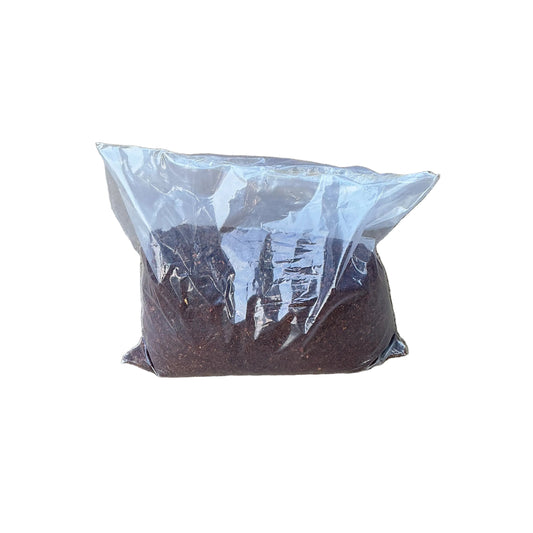
Cocopeat 500g polybag
Vendor:RuhigreensRegular price Rs. 49.00 INRRegular priceUnit price Rs. 98.00 per kgRs. 65.00 INRSale price Rs. 49.00 INRSale -
 Sale
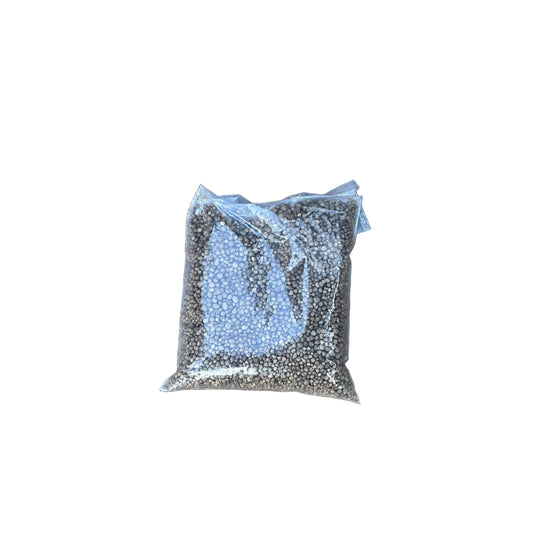
SaleDAP In 500/g
Vendor:RuhigreensRegular price Rs. 59.00 INRRegular priceUnit price Rs. 59.00 per itemRs. 99.00 INRSale price Rs. 59.00 INRSale -
 Sale
SaleNagraj 555 in 100/ml
Vendor:RuhigreensRegular price Rs. 199.00 INRRegular priceUnit price Rs. 199.00 per itemRs. 249.00 INRSale price Rs. 199.00 INRSale -
Varmicompost 5/Kg in poly bag
Vendor:RuhigreensRegular price Rs. 199.00 INRRegular priceUnit price Rs. 199.00 per itemRs. 249.00 INRSale price Rs. 199.00 INRSale -

 Sale
SaleDAP In 200/g
Vendor:RuhigreensRegular price Rs. 25.00 INRRegular priceUnit price Rs. 25.00 per itemRs. 35.00 INRSale price Rs. 25.00 INRSale -

 Sale
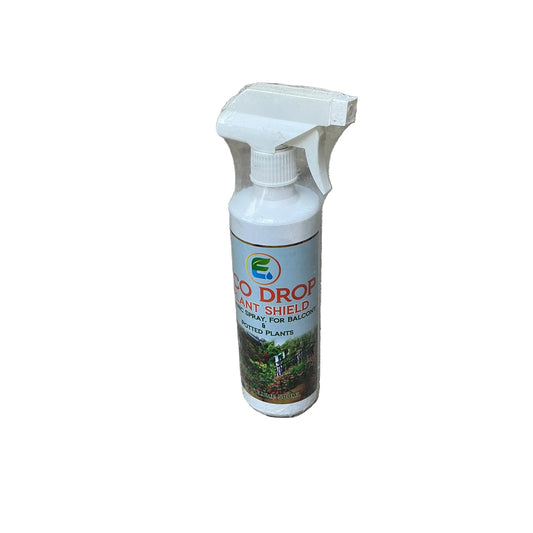
SaleEco Drop In 500/ml
Vendor:RuhigreensRegular price Rs. 349.00 INRRegular priceUnit price Rs. 349.00 per itemRs. 499.00 INRSale price Rs. 349.00 INRSale -
Cocopeat 200g In Polybag
Vendor:RuhigreensRegular price Rs. 25.00 INRRegular priceUnit price Rs. 125.00 per kgRs. 39.00 INRSale price Rs. 25.00 INRSale -
Cocopeat In 1 Kg Polybag
Vendor:RuhigreensRegular price Rs. 99.00 INRRegular priceUnit price Rs. 99.00 per kgRs. 149.00 INRSale price Rs. 99.00 INRSale -
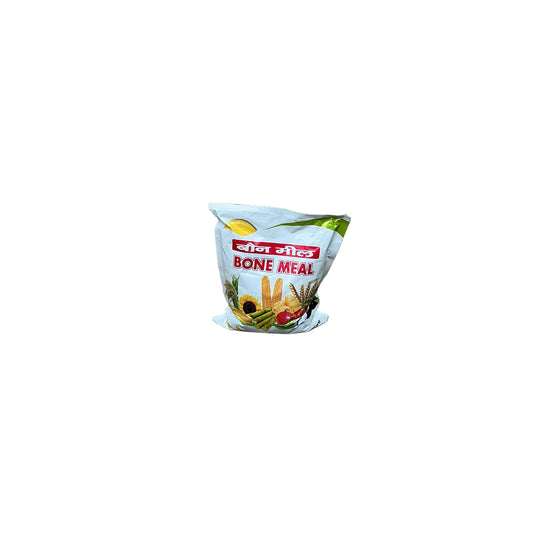
Bone Meal In 1 Kg Poly Bag
Vendor:RuhigreensRegular price Rs. 149.00 INRRegular priceUnit price Rs. 149.00 per kgRs. 199.00 INRSale price Rs. 149.00 INRSale -
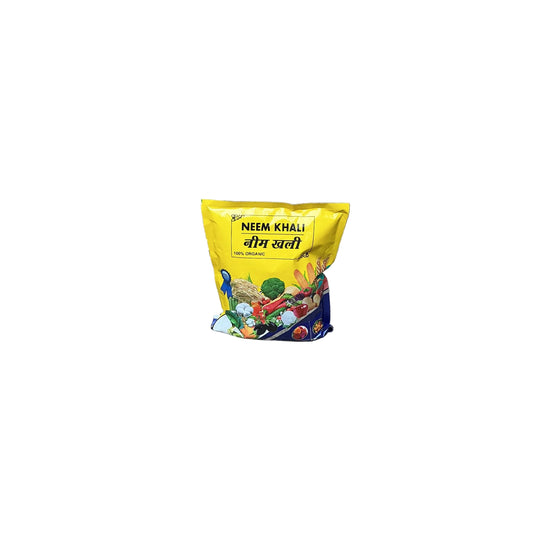
Neem Khali 1 Kg Poly Bag
Vendor:RuhigreensRegular price Rs. 149.00 INRRegular priceUnit price Rs. 149.00 per kgRs. 199.00 INRSale price Rs. 149.00 INRSale -
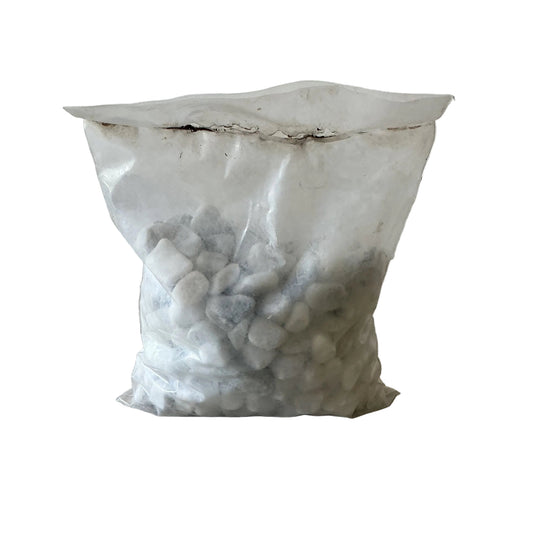
Decorative Marble Stones In 1 Kg.
Vendor:RuhigreensRegular price Rs. 99.00 INRRegular priceUnit price Rs. 99.00 per kgRs. 149.00 INRSale price Rs. 99.00 INRSale